

Pharmacokinetics and Bioenergetics: The Supremacy of Creatine Monohydrate
Rigorous pharmacokinetic analysis demonstrating the superiority of Creatine Monohydrate over HCl, Nitrate or Ester forms. Discover why the saturation of the phosphocreatine pool and CreaT1 transporters makes monohydrate the sole gold standard, and why analytical purity takes precedence over marketing labels.
 By Marouan Ariane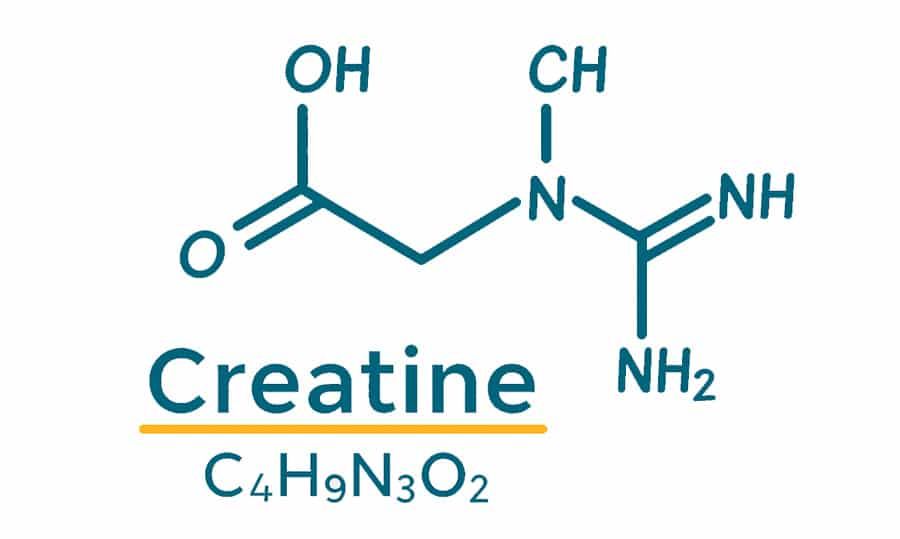
Creatine (methylguanidoacetic acid) is an endogenous nitrogen-containing molecule whose function is to stabilize the ATP/ADP ratio during high-intensity efforts. While the market is flooded with so-called "advanced" forms (HCl, Nitrate, Malate, Ethyl Ester), analysis of clinical and thermodynamic data confirms that Creatine Monohydrate remains the most bioavailable and effective form.
1. Bioavailability and Absorption Kinetics
The first argument often made for alternative forms (like Creatine HCl) is better aqueous solubility. However, in pharmacology, solubility in a glass of water does not determine intestinal bioavailability.
- Transport Efficiency: Creatine monohydrate has a bioavailability close to 100%. It is absorbed by sodium-dependent transporters (CreaT1) at the level of the small intestine.
- The Solubility Myth: Once dissolved in gastric acid, any form of creatine dissociates into free creatine. Whether the molecule is bound to a hydrochloride or a nitrate, it enters the systemic circulation in the same chemical form: free creatine. The salts do not increase muscle saturation, they simply modify the solvent volume required for dissolution.
2. Chemical Stability and Degradation to Creatinine
A recurring criticism of the monohydrate concerns its alleged instability in acidic environments, transforming into creatinine (inactive waste). Science firmly refutes this hypothesis.
- Gastric Resistance: Creatine monohydrate is extremely stable at an acidic pH (<2.5) over short durations (gastric transit). Less than 1% is converted to creatinine during digestion.
- The Failure of "Buffered" Forms: "Kre-Alkalyn" (high pH) forms claim to avoid this degradation. However, liquid chromatography (HPLC) studies have shown that the addition of a buffer does not alter the absorption kinetics compared to the classic monohydrate, as the stomach's pH immediately neutralizes the buffer.
3. Comparative Analysis of Marketed Forms
| Creatine Form | Marketing Claim | Scientific Reality |
|---|---|---|
| Monohydrate | Standard | Maximum bioavailability (approx 100%). Clinical reference. |
| Ethyl Ester (CEE) | Better cellular absorption | Unstable. Massively degrades to creatinine before reaching the muscle. |
| Hydrochloride (HCl) | No water retention | Higher solubility but muscle saturation identical to monohydrate. |
| Nitrate | "Pump" effect (NO) | Interesting nitrate supply, but does not improve the ergogenic effect of creatine. |
4. The Equality of Monohydrates: The Case of "Creapure"
There is a belief that Creapure (German label from AlzChem) would be "superior" in terms of effectiveness compared to other monohydrates. It is imperative to correct this point from a galenic and analytical perspective.
Purity vs Efficacy
Creapure is a guarantee of purity. It ensures the near-total absence of synthesis residues such as dicyandiamide (DCD), dihydrotriazine (DHT) or thiocyanate. However, if a "generic" monohydrate is HPLC tested and shows a purity of 99.9%, its metabolic impact will be strictly identical to that of Creapure.
The Muscle Doesn't Recognize the Patent
Once the creatine monohydrate molecule crosses the blood-brain barrier or muscle membranes, the body makes no distinction about its geographical or commercial origin. A pure monohydrate is a pure monohydrate. The superiority of Creapure lies in the sanitary safety and quality control (absence of heavy metals), but no study has ever shown that it saturates the fibers better or produces more ATP than another high-purity monohydrate.
Conclusion: The Choice of Scientific Rigor
In conclusion, Creatine Monohydrate remains the sovereign form. It is the only one to have demonstrated complete saturation of the phosphocreatine pool and a significant increase in lean mass across hundreds of controlled clinical studies. Any other investment in "exotic" forms is a matter of marketing, not physiology. For the athlete, the goal is analytical purity (>99%), regardless of the label on the box.
Resources and Internal Linking
To deepen your expertise on bioenergetics and optimize your supplementation strategy, we recommend reading our complementary scientific reports:
- Exercise Physiology: Understanding energy pathways and ATP resynthesis.
- Neurosciences: Creatine: from phosphocreatine metabolism to neuro-optimization.
- Regulations: Everything you need to know about the legal status of creatine in Tunisia.
Our High-Purity Solutions:
- The Gold Standard: Creatine Monohydrate - Analytical Purity.
- Advanced Synergy: CreaMG - The Creatine & Magnesium Bisglycinate complex for maximum mitochondrial efficiency.
Scientific References:
- Kreider et al. (2017) - International Society of Sports Nutrition position stand: safety and efficacy of creatine supplementation.
- Jäger et al. (2011) - Analysis of the efficacy, safety, and regulatory status of novel forms of creatine.
- Jagim et al. (2012) - A buffered form of creatine does not promote greater changes in muscle creatine content.
About the Author
Share this article with your friends and community