

Zoom on Whey Protein
The Whey protein is a 100% natural substance. It has only one origin: it's milk! It's neither a doping product nor a growth hormone. It's a high-quality protein source that is widely used in the sports and fitness world. Whey protein helps build and ma...
 By Marouan Ariane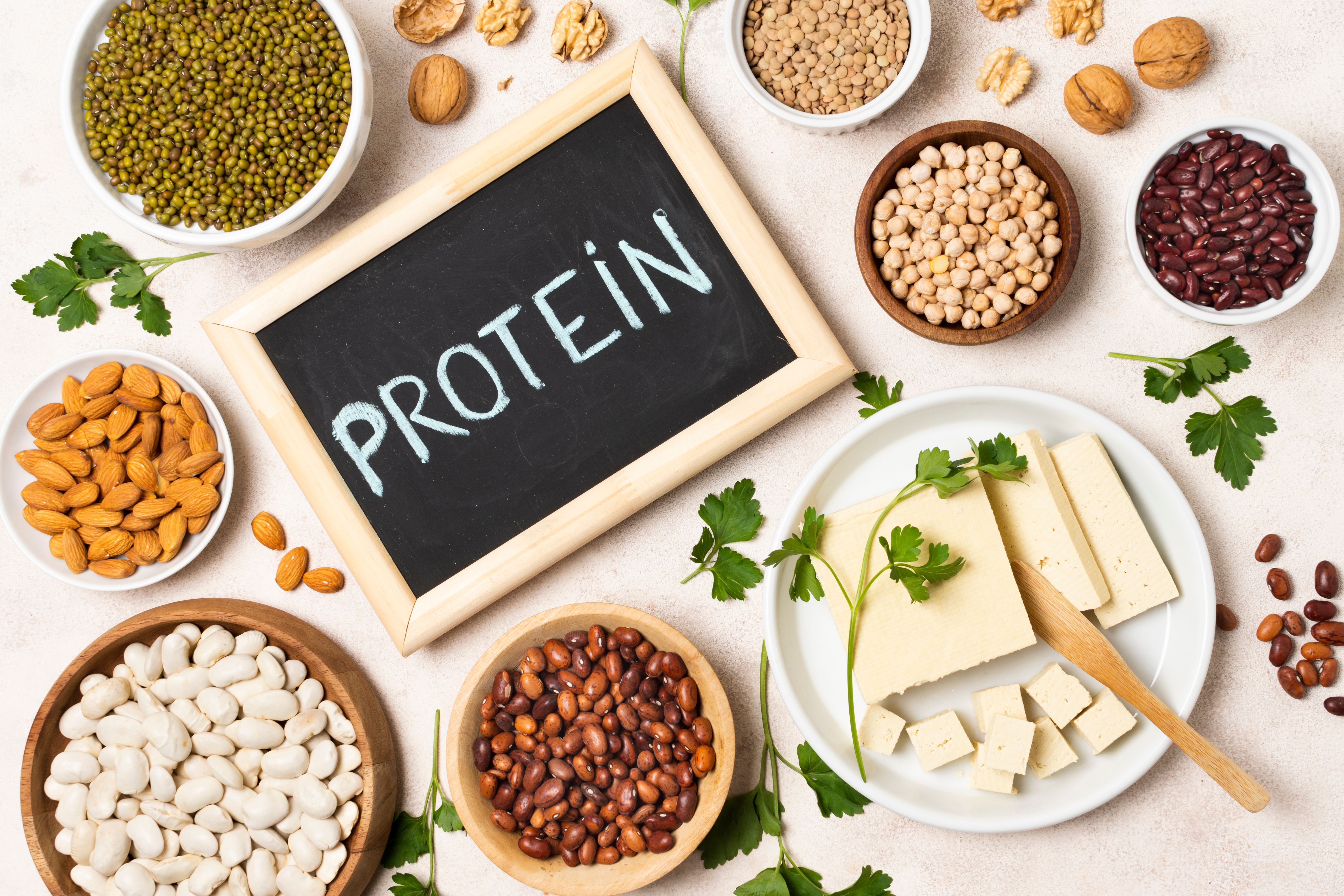
Whey protein, often misunderstood, is a naturally derived ingredient extracted from milk. Far from being a doping agent, it is a whey protein offering the highest biological value available for the human body (Hoffman & Falvo, 2004).
1. The Architecture of Life: The Vital Role of Proteins
Proteins are polymers of amino acids (20 standard proteinogenic amino acids in humans) that constitute the very structure of our cells.
Major Biological Functions:
- Structural Role: Repair of muscle tissues and bone matrix.
- Immune Role: Synthesis of immunoglobulins (antibodies).
- Metabolic Role: Production of enzymes and peptide hormones.
A protein deficiency leads to a negative nitrogen balance, leading to sarcopenia (Deutz et al., 2014).
To adjust your intake according to your morphology, use our online calculator tool.
2. Biological Value and Amino Acid Profile
The quality of a protein is measured by its content of essential amino acids (EAAs). Of the 20 amino acids, 9 are essential as the body cannot synthesize them.
Superiority of Whey:
It has a complete amino acid profile, surpassing plant-based proteins in its richness in BCAAs (leucine, isoleucine, valine). Leucine, in particular, acts as a molecular "trigger" of the mTOR pathway, essential for the anabolic signal.
3. Record Absorption Kinetics
The particularity of whey protein is its solubility in an acidic environment (stomach), allowing for an ultra-rapid gastric emptying (Boirie et al., 1997).
| Criteria | Whey Protein | Other Sources (Meat/Eggs) |
|---|---|---|
| Biological Value | 104 - 159 | 80 - 100 |
| Absorption Rate | 8g to 10g / hour | ~3g / hour |
4. Cheese vs Native: Going Beyond Preconceptions
The debate between Cheese Whey and Native Whey is often misunderstood. The denaturation state of a protein is independent of its source (milk or cheese), but directly depends on the industrial process (temperature, pH, pressures).
A. Cheese Whey (Sweet vs Acid Whey)
Whey from cheese-making can be:
- Sweet (pH > 5.6): Derived from enzymatic coagulation (rennet). It contains Glycomacropeptides (GMP), absent from native whey, which have beneficial effects on satiety and intestinal health.
- Acid (pH < 5): Derived from acid precipitation.
The key point: A cheese whey processed by Cross-Flow Microfiltration (CFM) at low temperature remains undenatured and retains exceptional biological quality.
B. Native Whey (Dairy)
Directly extracted from milk, it is by definition free of GMP and casein residues. While it often offers a slightly higher leucine content, it can also be denatured if the spray drying process is not well-controlled.
To delve deeper into this topic, consult our guide: Everything You Need to Know About Whey.
5. Strategic Applications
Use Whey Isolate post-workout for immediate myofibrillar repair, or our Recovery formula for overall support.
Conclusion: Quality is in the Process
Whether it's native or cheese-derived, the important thing is to choose a "non-denatured" protein. At Impact Nutrition, we favor membrane filtration processes that preserve the integrity of bioactive peptides to ensure maximum physiological effectiveness.
About the Author
Share this article with your friends and community