

Understanding Creatine
Creatine has been the subject of much discussion on the web. Between doping substance or anabolic molecule, many things are said about it... But...
 By Marouan Ariane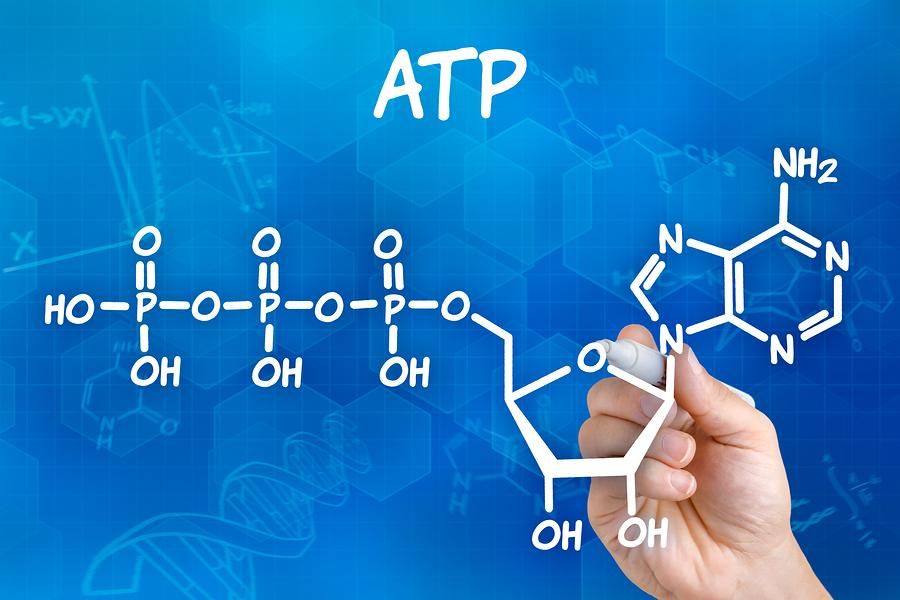
Beyond media controversies, creatine establishes itself as a fundamental bioenergetic modulator. Its role is not limited to a simple intramuscular presence; it is the pivot of the ultra-rapid resynthesis of metabolic energy in the form of ATP (Kreider et al., 2017 - ISSN Position Stand).
I. The Hierarchy of Energy Systems
Skeletal muscle has four interdependent pathways to generate Adenosine Triphosphate (ATP). Although they are activated simultaneously, their predominance varies depending on the intensity and duration of the effort (Sahlin et al., 1998).
- Free ATP and the ATP-CP System (Alactic Anaerobic): Stored ATP is consumed in less than 2 seconds. The ATP-Creatine Phosphate (CP) system then takes over immediately. Creatine Kinase (CK) transfers a phosphate group from phosphocreatine to ADP to regenerate ATP. This system is the most powerful but is depleted in 8 to 10 seconds (Wallimann et al., 2011).
- The Glycolytic and Oxidative Transition: When phosphocreatine stores drop, glycolysis becomes predominant, followed by aerobic respiration (oxidation of lipids and carbohydrates in the mitochondria) for long-duration efforts.
II. Creatine Bio-Engineering: Synthesis and Storage
Creatine is a tripeptide (Arginine-Glycine-Methionine) whose homeostasis depends on a balance between endogenous production and exogenous intake.
- Production and Storage Sites: Synthesized by the liver, kidneys, and pancreas, it is transported via the blood to high-energy demand tissues. Approximately 95% of creatine is sequestered in the muscles, with two-thirds in phosphorylated form (Phosphocreatine).
- The Osmolarity and Volumization Phenomenon: Creatine is an osmotically active molecule. When it enters the cytosol via the SLC6A8 transporter, it leads to a flow of intracellular water (Safdar et al., 2008).
Expert Note: This cellular (sarcoplasmic) hydration creates a mechanical stress on the cell membrane that acts as an anabolic signal, stimulating protein synthesis and the expression of certain myogenic genes.
III. Debate on Anabolism: Direct or Indirect Action?
It is crucial to nuance the assertion that creatine is not anabolic. Its action is pleiotropic.
- Lack of Direct Hormonal Effect: Creatine is not a steroid; it does not directly activate androgen receptors.
- Anabolism through Work Efficiency and Satellite Cells: Its effect is indirect but powerful. By increasing the total load volume, it maximizes mechanical stress. Furthermore, studies suggest that creatine promotes the activation and proliferation of satellite cells, essential for long-term hypertrophy (Olsen et al., 2006).
IV. Guide to Exogenous Supplementation
Synthetic creatine, although artificial in its manufacturing process, is bio-identical to that produced by the body.
- The Supremacy of Creatine Monohydrate: Despite the appearance of marketing forms (HCL, Nitrate, Buffered), Creatine Monohydrate remains the gold standard. Its bioavailability is close to 100% and it has the most extensive clinical follow-up (Jäger et al., 2011).
| Parameter | Optimal Practice | Scientific Rationale |
|---|---|---|
| Dosage | 3g to 5g / day | Complete saturation of stores in 21-28 days. |
| Co-ingestion | Carbohydrates / Proteins | Insulin optimizes the activity of the SLC6A8 transporter (Steenge et al., 2000). |
| Periodicity | Continuous (Daily) | Maintenance of phosphocreatine without a necessary loading phase. |
Conclusion: The Precision Tool of the Explosive Athlete
Creatine is not a doping agent, but a logical optimization of human physiology. It allows pushing the limits of fatigue within the phosphagen system, thus providing the substrate necessary for hypertrophy induced by work. It emerges as the safest and most effective supplement for the strength and power athlete.
About the Author
Share this article with your friends and community