

Naturally Boost Testosterone: Hygienic, Fitness, and Nutritional Approaches
Testosterone plays a crucial role in muscle mass gain due to its impact on protein synthesis processes, differentiation, and the activation of certain genes involved in muscle growth. It also has positive effects on energy levels, recovery, and athleti...
 By Marouan Ariane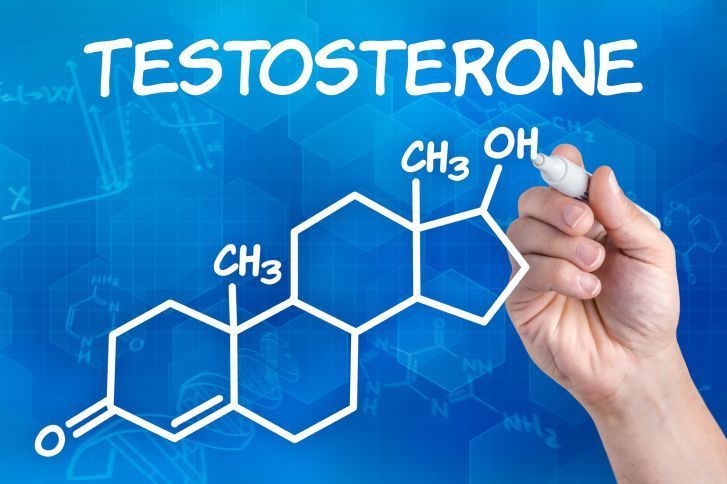
Testosterone is the primary androgenic hormone. Its role goes beyond the simple reproductive function: it acts as a powerful metabolic signal dictating the body's ability to synthesize contractile tissues and regulate body composition.
1. Mechanisms of Action on Hypertrophy
The impact of testosterone on muscle growth is based on three fundamental biochemical pillars:
A. Acceleration of Protein Synthesis
During resistance training, muscle micro-lesions activate a repair cascade. Testosterone penetrates the muscle cells, binds to androgen receptors and stimulates DNA transcription to produce new contractile proteins (actin and myosin). It optimizes the use of circulating amino acids.
B. Activation of Satellite Cells
The hormone promotes the proliferation and differentiation of satellite cells (muscle stem cells). These cells fuse with existing fibers to increase the number of cell nuclei, thus raising the potential ceiling of muscle growth (myonuclear domain).
C. Antagonism of Cortisol
Testosterone blocks glucocorticoid receptors, preventing cortisol from exerting its catabolic effect (protein degradation). This Testosterone/Cortisol ratio is the key indicator of an athlete's anabolic state.
2. Strategies for Natural Regulation and Optimization
I. Lifestyle: The Brain-Testes Axis
- Sleep (The Hormonal Factory): The majority of testosterone is secreted during deep sleep (REM) phases. Restricting sleep to 5h/night reduces circulating levels by 10 to 15% in just one week (JAMA, 2011).
- Cortisol Control: Chronic stress induces prolonged cortisol secretion, which inhibits the gonadotropic axis, directly reducing testosterone production by Leydig cells.
II. Physical Activity Programming
- Resistance and Load: Heavy multi-joint movements (Squat, Deadlift) provoke the most acute hormonal response due to the total muscle mass involved.
- The Danger of Adiposity: Fat tissue contains an enzyme, aromatase, which converts testosterone into estrogens. Fat loss is often the fastest way to increase free testosterone in men.
III. Nutritional Engineering
Optimized nutrition provides the necessary precursors for steroid synthesis:
- Lipids: Cholesterol is the mother molecule of testosterone. A diet too low in healthy fats (Omega-3, monounsaturated fats) causes hormonal levels to plummet.
- Key Micronutrients:
- Zinc: Essential for the function of the conversion enzyme and testicular health.
- Vitamin D3: Acts more like a hormone than a vitamin; its receptors are present in the testes and directly correlate with androgenic vigor.
Synthesis of Critical Parameters
| Factor | Hormonal Impact | Recommended Target |
|---|---|---|
| Sleep | Regeneration and Secretory Peak | 7h to 9h of quality |
| Body Fat | Reduction of Aromatization | 10% - 15% (Men) |
| Nutrition | Provision of Precursors (Lipids/Zinc) | 25-30% of total lipids |
| Training | Neuromuscular Stimulus | Priority to basic exercises |
Conclusion: A Long-Term Approach
Optimizing testosterone is not the result of a fleeting "boost", but of a constant synergy between training, nutrition and rest. Patience is a physiological virtue here: the structural adaptations induced by a healthy hormonal profile are built over cycles of several months.
About the Author
Share this article with your friends and community