

The Role of Strength Training in Sports Preparation
Letting's get to the heart of the matter: weight training has never been a sport and will never be one! It's a tool for physical preparation...
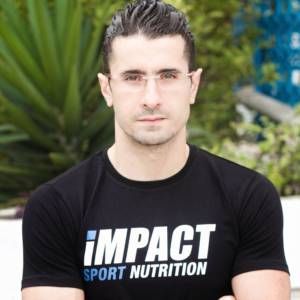 By Marouan Ariane
Let's get to the point: bodybuilding is not an end in itself, but a lever of physical preparation aimed at developing power, an essential kinetic component of athletic performance.
Bodybuilding is to sports preparation what dietary supplements are to nutrition: an adjuvant and complementary activity that must be parameterized according to the principle of specificity (SAID: Specific Adaptations to Imposed Demands).
1. The Three Pillars of Physical Training
Elite physical preparation is based on the synergistic development of three physiological components:
A. Endurance (Supportive Capacity)
It is divided into cardio-pulmonary endurance (optimization of VO2max and cardiac output) and local muscular endurance (mitochondrial density and lactate buffering capacity).
B. Functionality (Neuromuscular Efficiency)
This pillar encompasses proprioception, agility, and inter-muscular coordination. It is the ability of the central nervous system (CNS) to orchestrate the recruitment of motor units with precision and economical movement.
C. Power (Energy Expression)
Power is the product of Force and Velocity. In physical preparation, we seek to shift the Force-Velocity curve to the right. Bodybuilding allows to increase the "Force" component, while the specific work on the sport transforms this potential into execution speed.
2. Programming according to the Specificity of the Discipline
The architecture of the bodybuilding program must reflect the bioenergetic constraints of the target sport:
- Endurance Sports (Cycling, Triathlon): Focus on strength-endurance and injury prevention by strengthening connective tissues, without excessive hypertrophy that would penalize the power-to-weight ratio.
- Precision and Skill Sports (Tennis, Football): Priority to "core" stability (dynamic bracing) and explosive power for changes of direction (plyometric training).
- Explosive and Combat Sports (Boxing, MMA): Seeking peak power. Here, bodybuilding aims to maximize the recruitment of Type IIb fibers to ensure maximum impact and optimal nerve reactivity.
Regardless of the activity, bodybuilding remains an essential discipline to reduce the strength deficit and optimize energy transfer.
3. The Specific Case of Bodybuilding: Hypertrophy as Aesthetic
Bodybuilding is distinguished by its purpose: the pursuit of sarcoplasmic and myofibrillar hypertrophy for purely visual purposes.
Rigor, Ethics and Health
This discipline requires a meticulous management of recovery and nutritional periodization. As an expert, it is crucial to promote the natural way. Doping is not an optimization, it is a pathological alteration of homeostasis. True mastery lies in the ability to sculpt one's body through food biochemistry, the science of supplementation, and mental discipline.
Conclusion: Bodybuilding should serve your overall athletic performance, not the other way around. Use it as a precision tool to increase your biological displacement and reach your sporting peaks with full integrity.
About the Author
Share this article with your friends and community