

The basics of nutrition: glossary
Our diet determines not only our body mass, but also and above all, it has a direct impact on our health, our physical performance...
 By Marouan Ariane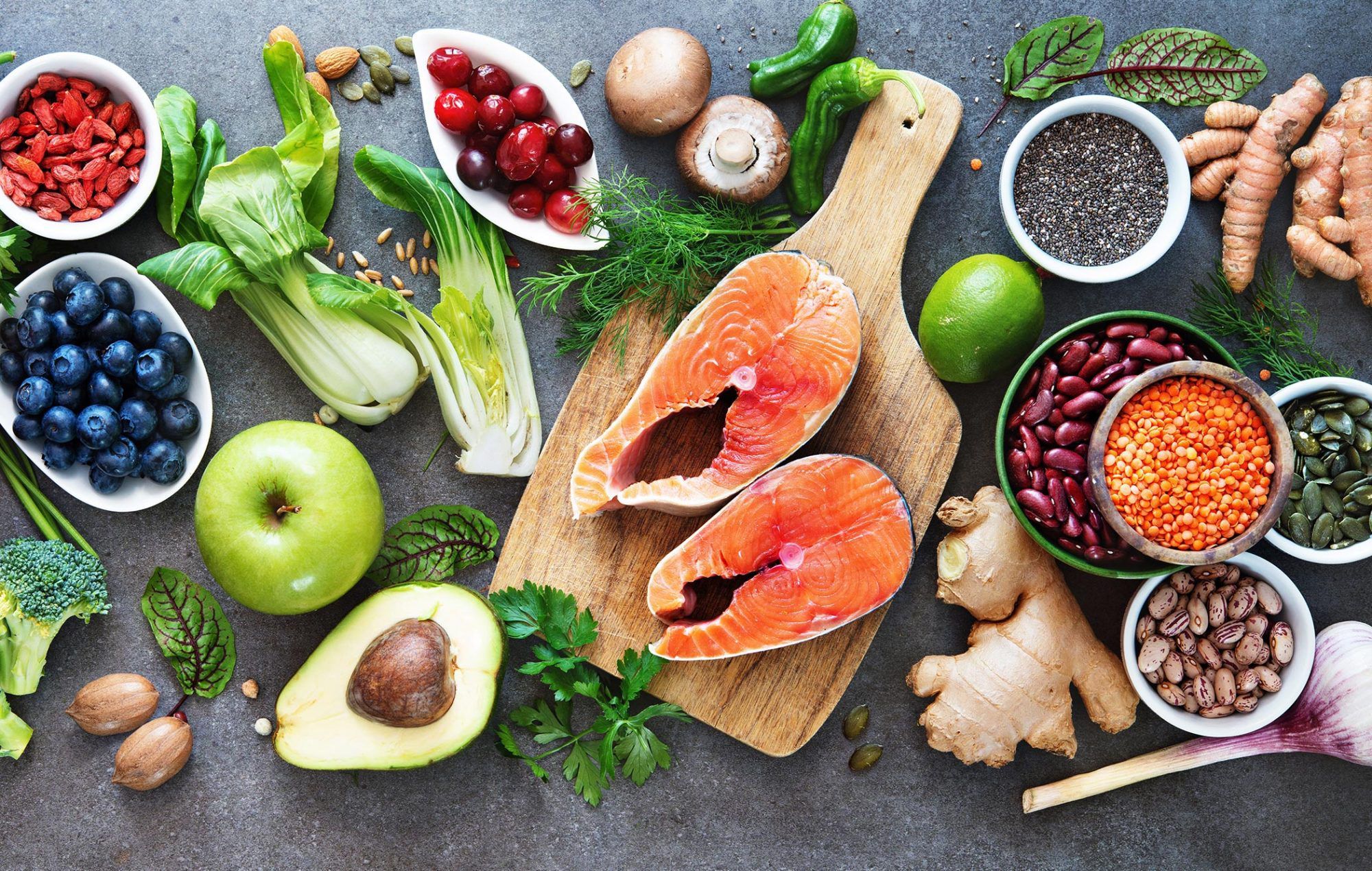
Our diet is the main determinant of our body composition, homeostasis, and neuromuscular performance. Before initiating any programming, it is imperative to master the basics of enzymatic degradation and nutrient classification in order to develop appropriate nutritional plans.
During ingestion, foods undergo hydrolysis by salivary (amylase) and gastric (pepsin) enzymes before being assimilated at the brush border of the small intestine. These nutrients are divided into two distinct categories based on their energy density and structural role.
1. Macronutrients: Energy and Structure
These high molecular weight molecules have a positive caloric profile. They constitute the pillars of tissue construction and the provision of adenosine triphosphate (ATP).
A. Proteins (4 kcal/g)
Encompassing proteins, peptides, and amino acids, they provide structural (actin, myosin) and catalytic (enzymes) functions. To maximize post-exercise anabolism, the athlete must prioritize high-purity, fast-acting sources.
B. Lipids (9 kcal/g)
Fatty acids are the precursors of steroid hormones (testosterone) and the components of cell membranes. Sufficient intake of Omega-3 is crucial for membrane fluidity and insulin receptor sensitivity.
C. Carbohydrates (4 kcal/g)
It is the preferred fuel for glycolysis. Their storage as muscular glycogen conditions the intensity of contraction. Fibers modulate their absorption via the SGLT1 transporter.
2. Micronutrients: Metabolic Catalysts
Unlike macros, these substances are acaloric. They do not provide energy but are essential as co-factors for biochemical reactions.
- Vitamins: Lipid-soluble (A, D, E, K) or Water-soluble (B Group, C). They regulate genetic transcription and redox protection.
- Minerals: Elements required in significant quantities (Calcium, Magnesium, Potassium) for nerve conduction.
- Trace Elements: Essential trace elements such as Zinc (testosterone synthesis) and Iron (O2 transport).
3. Strategy for Dry Muscle Gain
Optimization of a strength training program relies on precise manipulation of ratios to promote anabolism via the mTOR pathway while limiting adipogenesis.
The triptych of muscular definition:
- Distributed hyper-proteism: High, fractional intake every 3-4 hours to maintain a positive nitrogen balance and saturate the leucine threshold.
- Glycemic Load Management: Moderate restriction favoring exclusively low glycemic index (GI) to stabilize basal insulinemia.
- Precision Supplementation: The addition of Creatine Monohydrate (validated by DPM) can optimize the resynthesis of inter-set phosphocreatine.
Nutritional Synthesis:
| Category | Nutrients | Primary Role | Target Intake |
|---|---|---|---|
| Macronutrients | Proteins, Lipids, Carbohydrates | Energy and Construction | Grams (g) |
| Micronutrients | Vitamins, Minerals | Regulation and Catalysis | mg / µg |
Conclusion: Understanding these fundamentals allows you to transform the act of eating into a precision tool to reach your performance peaks.
Scientific References:
About the Author
Share this article with your friends and community