

The "Protein Spiking", an industrial subterfuge
Protein Spiking is a very widespread technique in the sports market and practiced by a large number of American and European manufacturers of nutritional supplements. This technique allows them to artificially increase the protein content of their prod...
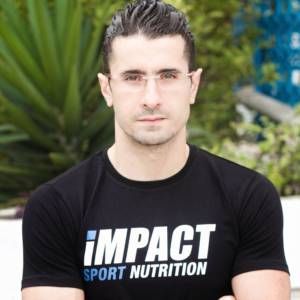 By Marouan Ariane
Protein Spiking is a widely used technique in the sports nutrition market. It aims to cut the native protein with inexpensive nitrogenous compounds. The cynical objective is to reduce production costs while displaying record protein levels on the label.
Protein Spiking, also known as "Amino-Spiking" or "Nitrogen-Spiking", involves enriching a protein powder with low-cost free amino acids (often derived from the chemical hydrolysis of low-grade keratin). This practice distorts the real biological value of the product while apparently complying with analytical standards.
1. The Analytical Lever: Why the Deception Works?
The problem lies in the standard assay methods used in the laboratory, such as the Kjeldahl method or the Dumas method. These protocols do not directly measure proteins, but the total nitrogen content present in the sample.
- The Conversion Factor: To estimate the protein content, the total nitrogen (N) level is multiplied by a conversion factor (generally 6.38 for dairy products). Total Proteins = N x 6.38
- The Flaw: The laboratory does not distinguish between nitrogen bound to polypeptide chains (the true protein) and nitrogen from added free amino acids or molecules like creatine.
2. The Spiking Tools: A Low-Cost "Nitrogen Soup"
To artificially increase this nitrogen content at low cost, manufacturers use substances whose cost per kilo is negligible compared to whey:
- Glycine and Taurine: Amino acids very rich in nitrogen but having no impact on muscle protein synthesis (MPS) when isolated from the complete spectrum.
- Creatine: Although beneficial in itself, its direct addition to Whey allows to increase the total nitrogen content, allowing the manufacturer to display a higher "protein content" without adding a single additional whey molecule.
- L-Glutamine: Often promoted for recovery, it is frequently used to mask a low-purity protein base.
3. Risk Analysis: What Impact for the Athlete?
The damage is not only financial, it is metabolic. A "spiked" product has a real Biological Value (BV) much lower than the one advertised.
| Characteristic | Pure Native Whey | Whey with "Spiking" |
|---|---|---|
| Amino Acid Profile | Complete and balanced | Unbalanced (excess of Glycine/Taurine) |
| Efficacy (mTOR) | Maximal (rich in Leucine) | Low (Leucine threshold not reached) |
| Analytical Purity | Real | Fictitious (Non-Protein Nitrogen) |
4. Expert Guide: How to Detect Fraud?
Transparency is the only bulwark against spiking. As a consumer or professional, the label analysis must be surgical:
- The "Ghost" Ingredient: If the ingredient list mentions free amino acids (L-Glycine, L-Taurine, L-Glutamine, Creatine) outside of a natural amino acid profile, be cautious. These substances are included in the total protein count.
- Lack of Amino Acid Profile: A manufacturer who refuses to publish the detailed profile of its amino acids (the dosage of each AA per 100g) often hides a blatant imbalance.
- The Illusory Quality/Price Ratio: A Whey showing 90% protein at a price that defies all competition in the dairy raw materials market is mathematically suspicious.
Conclusion: Prioritize Molecular Integrity
In summary, Protein Spiking is a nutritional sophistry. A quality protein is defined by the integrity of its fractions (alpha-lactalbumin, beta-lactoglobulin) and not by a simple total nitrogen figure. To optimize anabolism and preserve your health, favor transparent brands that guarantee the absence of nitrogenous additives and provide a complete and certified amino acid profile.
About the Author
Share this article with your friends and community