

The Melatonin: Chronobiology, Cytoprotection and Systemic Homeostasis
Melatonin is a hormone produced by the pineal gland in response to the absence of light, located in the brain. It is known to be the sleep hormone and plays a key role in regulating the sleep-wake cycle.
 By Marouan Ariane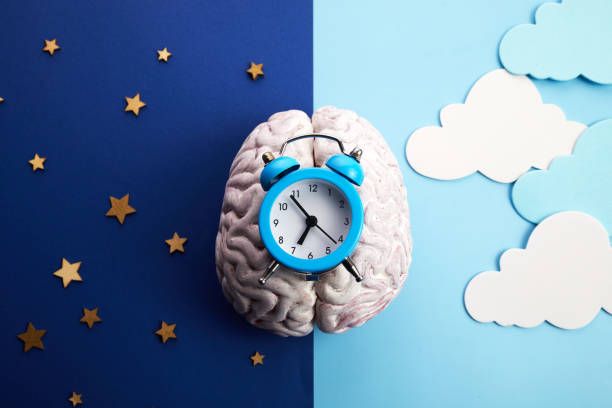
Melatonin ($N$-acetyl-5-methoxytryptamine) is not only the metronome of our circadian rhythms. It is an amphiphilic molecule capable of crossing all biological barriers, including the blood-brain barrier, to exert a regulatory action at the very heart of mitochondria (Reiter et al., 2014).
I. Biosynthesis and Circadian Rhythmicity
The production of melatonin is initiated by L-tryptophan, converted to 5-hydroxytryptophan, then to serotonin. The rate-limiting step is orchestrated by the enzyme AANAT (Aralkylamine N-acetyltransferase), whose activity is regulated by darkness.
- The Suprachiasmatic Nucleus (SCN): Receives photonic information via melanopsin-containing ganglion cells (ipRGCs). In the absence of blue light (460-480 nm), the signal is transmitted via the superior cervical ganglion to the pineal gland to initiate secretion.
- Pineal vs. Extrapineal Melatonin: It is crucial to distinguish endocrine (circulating) melatonin from tissue melatonin (produced in the intestine, retina, or bone marrow). The latter acts as an autocrine agent for protection against local oxidative stress and does not respond to light cycles.
II. Ergogenic and Metabolic Potential in Athletes
The interest of melatonin for the athlete goes beyond nervous recovery; it is a modulator of the cellular redox environment during exhaustive exercise (Leonardo-Mendonça et al., 2017).
- The "Cascade" Antioxidant: Unlike classical antioxidants, melatonin generates metabolites (such as AFMK) that are themselves antioxidants. It specifically targets the mitochondria, stabilizing the electron transport chain and reducing superoxide radical production.
- Modulation of Inflammation (NF-kB): By inhibiting the nuclear translocation of the NF-kB factor, it limits the expression of pro-inflammatory cytokines post-training, accelerating tissue repair without blunting muscle adaptations.
III. Clinical Applications and Phase Response Curve (PRC)
Dosage must be adjusted according to chronotype and therapeutic objective. In pharmacology, the Phase Response Curve is used to manipulate the internal clock.
- Jet Lag Management: Taking melatonin before the endogenous peak advances the phase (ideal for eastward travel). Microdoses (0.3 mg to 0.5 mg) already saturate the MT1 and MT2 receptors and are often sufficient for resynchronization.
- Immune Support: Melatonin increases the activity of Natural Killer (NK) cells and the production of interleukin-2 (IL-2), acting as an adjuvant in the systemic immune response.
IV. Synthesis of Supplementation Strategies
| Objective | Recommended Dosage | Technical Justification |
|---|---|---|
| Sleep Induction | 1 mg - 1.9 mg | Saturation of MT1/MT2 receptors in 30-60 min. |
| Neuroprotection (Longevity) | 1 mg (Sustained-release) | Maintain a stable concentration throughout the night. |
| Athletic Recovery | 3 mg - 5 mg | High dose for mitochondrial scavenging. |
V. Precautions and Pharmacological Interactions
As a hormone, melatonin requires particular vigilance:
- Interactions: Caution with beta-blockers (which inhibit endogenous secretion) and anticoagulants (risk of increased bleeding time).
- Autoimmune Diseases: Relative contraindication due to the potential stimulating effect on T lymphocytes.
- Light Hygiene: Supplementation is futile if exposure to blue light persists. The use of blocking glasses after 9 pm is essential to restore the natural secretion curve.
Conclusion: The Master of the Biological Clock
Melatonin is the interface between the light environment and our internal biochemistry. Its role as a mitochondrial protector makes it a molecule of the future for longevity and athletic performance. Used with chronobiological precision, it not only restores sleep architecture, but also strengthens cellular resilience to modern stress.
About the Author
Share this article with your friends and community