

The Glycemic Load
The intestinal physiology is the key to metabolism. Indeed, it is the absorption of a carbohydrate that defines its behavior in the organism. The power...
 By Marouan Ariane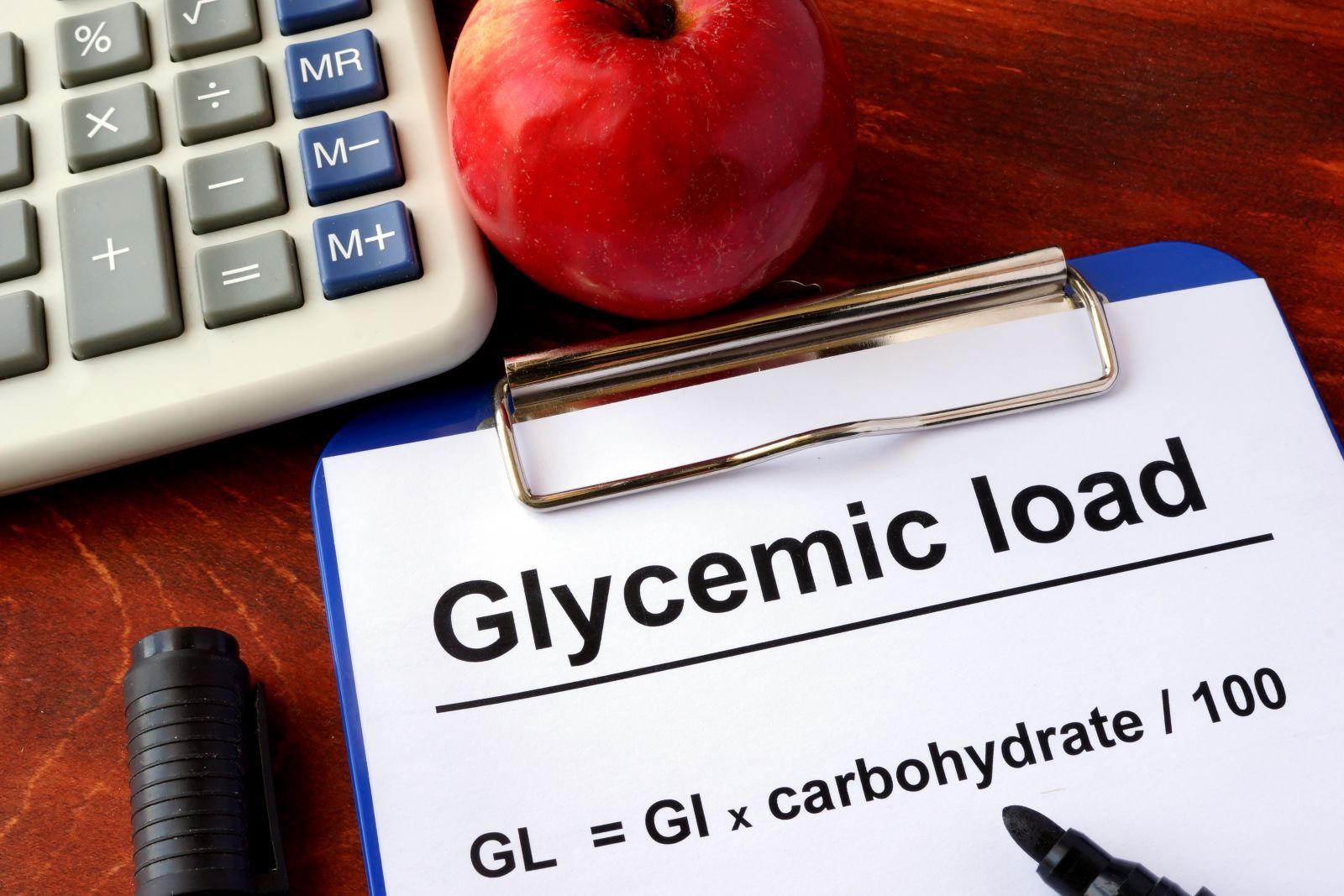
Intestinal physiology is the crossroads of anabolism. The kinetics of crossing the enterocyte barrier (via the SGLT1 and GLUT2 transporters) dictates the subsequent metabolic behavior of carbohydrates. While the Glycemic Index (GI) offers a qualitative classification, it remains incomplete as it ignores the actual carbohydrate density of the food matrix. For the athlete seeking fine-tuned hormonal optimization, the Glycemic Load (GL) stands as the preferred unit of measurement.
From Qualitative Index to Quantitative Measurement
The Limitations of the Glycemic Index (GI)
The GI compares the hyperglycemic power of foods based on a fixed amount of 50g of pure carbohydrates, measuring the area under the curve (AUC) of glycemia. However, in a real food bowl, portions and densities differ. A food with a high GI but highly diluted in a watery or fibrous matrix may have a lesser systemic impact than a food with a medium GI consumed in large volume.
Definition and Equation of Glycemic Load
The Glycemic Load corrects the GI by integrating the quantitative factor. It allows for precise prediction of the actual insulin response (postprandial insulinemia) based on the portion actually consumed.
GL = GI x Actual amount of carbohydrates (g)/100In sports nutrition, this concept allows for adjusting intakes to saturate the storage capacities of glycogen without activating the pathways of de novo lipogenesis (DNL) for the rest of the day.
Practical Applications and Value Scales
Comparative Analysis: Carbohydrate Density
The GL allows for precise metabolic equivalences. Let's compare 100g of two fruits with opposite profiles to illustrate the impact on glucose homeostasis:
| Food (100g) | Net Carbs (g) | Glycemic Index | Glycemic Load (GL) |
|---|---|---|---|
| Strawberry | 4.0 g | 25 (Low) | 1 |
| Date (Dried) | 62.5 g | 55 (Moderate) | 34.4 |
The biochemical finding is clear: pound for pound, the date generates a glycemic load 34 times higher than the strawberry. This means that a large food volume of strawberries can be consumed without triggering a massive insulin spike, thus preserving fat oxidation (metabolic flexibility).
The GL Classification Scale
- Low GL (<10): Negligible glycemic impact, ideal for basal glycemia stability.
- Moderate GL (11 to 19): Moderate insulin response, suitable for pre-workout meals.
- High GL (>20): Powerful anabolic signal via activation of the PI3K/Akt pathway, to be reserved for glycogen depletion windows.
Daily Load Strategy and Performance
Total Glycemic Load (TGL)
Monitoring the total GL over 24 hours is the best predictor of weight management and insulin sensitivity (HOMA-IR). For a sedentary individual, an excessive TGL is pathogenic. For the athlete, these thresholds are dynamic and depend on GLUT4 translocation.
Adjustment According to Physical Activity
Intense exercise increases glucose tolerance via an insulin-independent pathway (AMPK pathway). Thus, an athlete in a mass-gaining phase can tolerate a high TGL (often >150), provided that this load is strategically distributed around peri-training to promote glycogen resynthesis and inhibit cortisol-induced proteolysis.
The Carbohydrate Lever in "Lean Bulk"
The difference between clean muscle growth and fat accumulation lies in the control of GL. A program with controlled GL optimizes protein turnover while avoiding peripheral insulin resistance. As an expert, the goal is to saturate the muscle transporters while avoiding the saturation of adipocytes.
Conclusion: Nutritional Intelligence
Towards Optimal Hormonal Balance
Glycemic Load teaches us that, as in pharmacology, "the dose makes the poison". No carbohydrate is intrinsically harmful if it is integrated into a total GL consistent with the athlete's energy expenditure and insulin sensitivity. Mastering this tool ensures that insulin remains a structural building hormone and not a storage vector for reserves.
About the Author
Share this article with your friends and community