

The Casein: Molecular Engineering and Kinetics of Prolonged Anabolism
If you think that casein is simply a protein found in milk, think again. This complex molecule has fascinating implications for muscle growth, strength, and recovery. Casein is a slow-digesting protein that provides a steady supply of amino acids to yo...
 By Marouan Ariane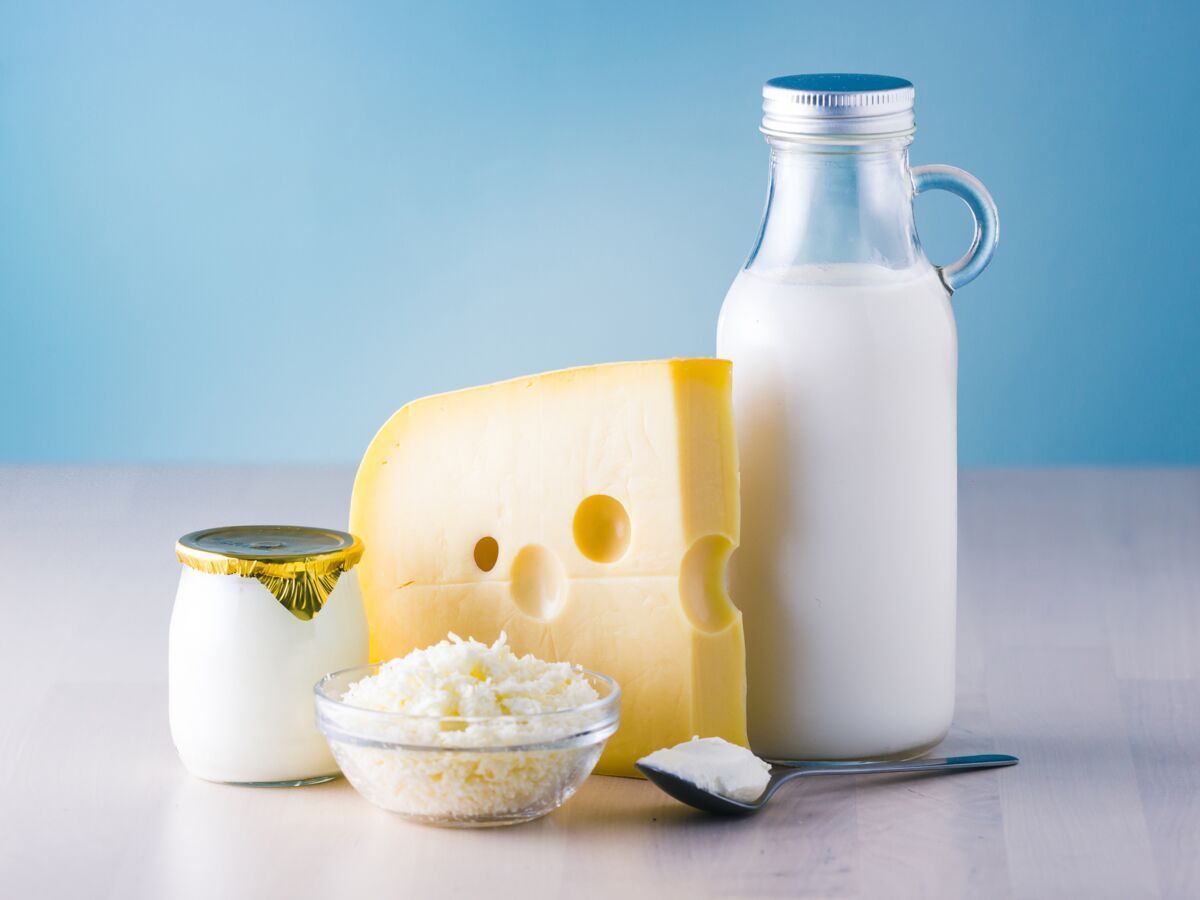
Casein is not just a milk protein. It is a complex macromolecule whose unique colloidal structure offers unparalleled physiological and bioactive properties. In elite sports nutrition, it acts as a kinetic modulator capable of maintaining nitrogen homeostasis over long periods (Boirie et al., 1997).
1. Casein Ontology and Structure
Casein is a phosphoprotein organized into supramolecular structures called micelles. These spherical aggregates are stabilized by colloidal calcium phosphate bridges and a hydrophilic kappa-casein outer layer.
Molecular Fractions:
- Alpha-S1 & Alpha-S2: Highly phosphorylated fragments with a strong affinity for divalent cations (Ca2+, Mg2+, Zn2+).
- Beta-casein: The most hydrophobic fragment. In humans, the A1 and A2 variants are the subject of major study on their impact on intestinal inflammation.
- Kappa-casein: Located on the periphery, it ensures the stability of the micelle through electrostatic and steric repulsion.
2. Nutritional Value and Gastric Kinetics
Casein has a DIAAS (Digestible Indispensable Amino Acid Score) of around 1.2, reflecting exceptional protein quality.
The Coagulation Mechanism:
The originality of casein lies in its behavior at the isoelectric point (pH \approx 4.6). As soon as it enters the stomach, the gastric acidity causes the precipitation of casein into a solid "curd".
- Prolonged Release: This gel is slowly hydrolyzed by pepsin, releasing amino acids steadily into the plasma for 7 to 8 hours (Dangin et al., 2001).
- Inhibition of Proteolysis: This constant endogenous perfusion reduces the degradation of body proteins by 34%, making it the ultimate anti-catabolic tool for nighttime recovery.
- Satiety: The slow gastric emptying stimulates the prolonged secretion of cholecystokinin (CCK) and GLP-1, optimizing appetite control during caloric restriction.
3. Bioactive Peptides: The Intelligence of Milk
The digestion of casein generates specific peptide sequences (exorphins) with systemic effects:
| Bioactive Peptide | Main Physiological Function |
|---|---|
| Casomorphins | Opioid agonists modulating transit and stress. |
| CPP (Caseinophosphopeptides) | Solubilization and optimization of Calcium and Zinc absorption. |
| Casokinin | Inhibition of ACE (Angiotensin-Converting Enzyme) - Hypotensive effect. |
| Casein-glycomacropeptide | Immune support and inhibition of bacterial adhesion. |
4. Typology of Supplementation Forms
- Native Micellar Casein: Extracted by cold microfiltration. It preserves the integrity of the micelle and associated minerals. This is the Gold Standard form for deep recovery.
- Caseinates (Calcium/Sodium): Obtained by chemical precipitation. The micellar structure is destroyed, slightly accelerating digestion and modifying the texture (more soluble, but less "slow").
- Hydrolyzed Casein: Pre-digested peptide fragments. It loses its slow-release effect but gains in assimilation speed and digestibility for athletes with sensitive intestines.
Conclusion: Programming Nocturnal Anabolism
Micellar casein is much more than a milk protein; it is a natural sustained-release device. By ensuring protection against proteolysis during sleep and providing peptides that promote mineral and cardiovascular health, it perfectly complements Whey in an elite sports nutrition protocol.
- Boirie et al. (1997) - Slow and fast dietary proteins differently modulate postprandial protein accretion.
- Dangin et al. (2001) - The digestion rate of protein is a critical determinant of postprandial protein retention.
- Res et al. (2012) - Protein ingestion before sleep improves postexercise overnight muscle protein synthesis.
About the Author
Share this article with your friends and community