

L-Glutamine: The Central Regulator of Nitrogen and Immune Homeostasis
Glutamine is the ultimate amino acid for high-performance athletes. It plays a key role in muscle recovery and tissue repair...
 By Marouan Ariane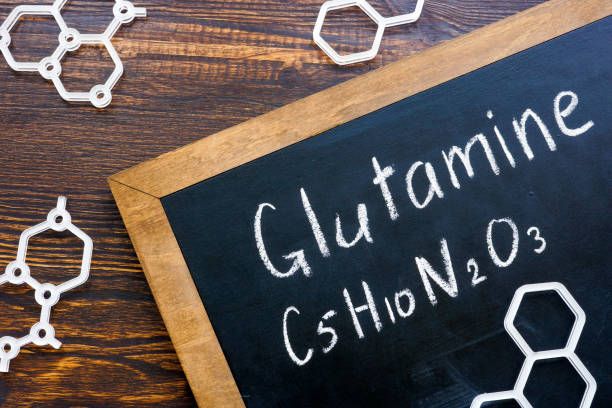
L-Glutamine is much more than just a recovery supplement. As the most abundant free amino acid in the plasma and muscle pool (representing about 60% of intramuscular free amino acids), it acts as a true metabolic currency between the muscles, liver, intestines and the immune system.
I. Metabolism and Concept of Conditional Essentiality
Although classified as non-essential, glutamine is a "conditionally essential" amino acid. During homeostasis, endogenous synthesis (mainly muscular via the glutamine synthetase enzyme) is sufficient. However, during major metabolic stress, the demand exceeds the synthesis capacity.
1. The Glutamate-Glutamine CycleThe body synthesizes glutamine from glutamic acid (glutamate) and ammonia. This process is vital as it allows the safe transport of toxic nitrogen to the kidneys and liver, while providing a flexible energy substrate.
2. Muscle Depletion during StressDuring an ultra-endurance or marathon-type effort, the muscle massively releases glutamine to fuel priority organs (brain, kidneys, intestine). If this efflux is not compensated, the muscle pool collapses, leading to a drop in strength and impaired recovery.
II. Glutamine and Overtraining Syndrome (OTS)
The Overtraining Syndrome (OTS) is closely linked to chronic hypoglutaminemia. A low level of circulating glutamine is one of the most reliable biological markers of metabolic exhaustion in the elite athlete.
1. The Fuel of Immune CellsLymphocytes, macrophages and neutrophils consume glutamine at a rate similar to or even higher than glucose. A decrease in the bioavailability of glutamine paralyzes their proliferative capacity, creating a "window of opportunity" for opportunistic post-exercise infections.
2. Action on Systemic ImmunityHigh-dose supplementation supports the production of anti-inflammatory cytokines and maintains phagocytic activity, thus protecting the athlete from the frequent upper respiratory tract infections (URTI) after an endurance competition.
III. The Intestinal Axis and the Mucosal Barrier
This is probably the most crucial role for the modern athlete: glutamine is the preferred energy substrate for enterocytes (intestinal wall cells).
1. Prevention of Hyperpermeability (Leaky Gut)Intense exercise causes transient intestinal ischemia. Glutamine prevents the degradation of tight junctions, limiting the passage of bacterial endotoxins into the blood, which are responsible for chronic systemic inflammation.
2. Action on the Microbiota and InflammationIt promotes an optimal bacterial balance (Firmicutes/Bacteroidetes ratio) and stimulates the production of secretory IgA, strengthening the first line of defense of the organism.
IV. Supplementation Protocols and Synergies
To maximize the effectiveness of glutamine, timing and co-ingestion are crucial.
1. Dosage Strategies| Objective | Dosage | Clinical Period |
|---|---|---|
| Recovery / Anti-catabolism | 5g - 10g | Immediately post-training (with Whey) |
| Intestinal Repair | 10g - 20g | Fasted, divided throughout the day |
| Overtraining Prevention | 0.3g / kg of body weight | 15-day course during intensity peaks |
Clinical studies have shown that a standalone oral intake of 2g of glutamine can raise plasma growth hormone levels. This effect is amplified if combined with a good night's rest, thus promoting myofibrillar reconstruction and fat oxidation.
Conclusion: The Pivot of Physical Resilience
L-Glutamine is not a luxury, but a necessity for those who push their limits. By securing intestinal integrity and providing the necessary substrate for the immune system, it allows the athlete to maintain a high training intensity without falling into the exhaustion phase. It is the guarantee of a long athletic career and optimized nutritional assimilation.
About the Author
Share this article with your friends and community