

Nutritional Engineering: Optimizing Plant Proteins for Hypertrophy
To optimize muscle mass gain and tissue repair, it is essential to ensure an adequate daily amount of proteins!...
 By Marouan Ariane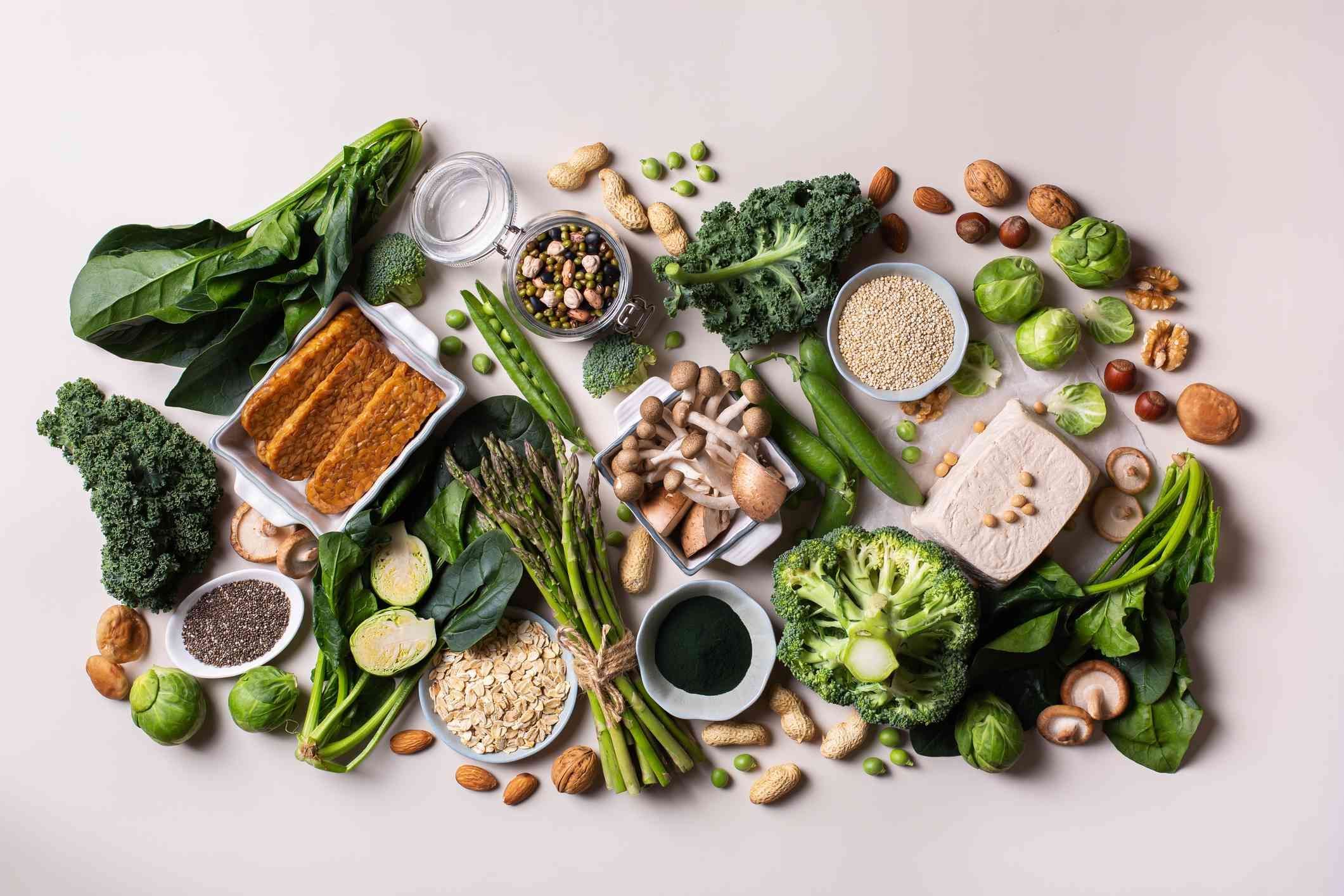
The idea that plant-based proteins are ineffective for hypertrophy is a physiological myth that does not withstand modern metabolic analysis. While animal sources have a native higher density of essential amino acids (EAA), a strategic approach to plant-based nutrition can match the results of an omnivorous diet (Hevia-Larraín et al., 2021).
1. Comparative Analysis: The Barriers of the Plant Matrix
To optimize plant-based proteins, we must first identify the biochemical variables that distinguish them from reference proteins (egg, whey).
- Biological Value and Limiting Amino Acids: The quality of a protein is now measured using the DIAAS score (Digestible Indispensable Amino Acid Score). Plants often have a limiting factor (Lysine for cereals, Methionine for legumes). According to the law of the minimum, protein synthesis is capped by the least represented amino acid.
- Anti-nutritional Factors (ANFs): The plant matrix contains phytic acid and oxalates, which act as mineral chelators, as well as protease inhibitors that can reduce the efficiency of pancreatic enzymes.
2. Strategies for Optimizing Plant-Based Anabolism
To transform a plant-based source into a growth driver, three levers must be activated:
- Amino Acid Complementation and Synergy: By combining legumes and cereals, a complete spectrum is created. A window of 6 hours between servings is ideal to maintain a balanced pool of free amino acids.
- Bio-activation: Soaking, germination, and fermentation (Tempeh, Miso) can degrade phytates and significantly increase the coefficient of digestive utilization (CUD).
- The "Leucine Trigger" and Volume: By increasing the total protein intake to 1.6g - 2.2g/kg/day, the Leucine threshold (~2.5g to 3g per meal) necessary to saturate the mTORC1 pathway is mechanically reached (Gorissen et al., 2016).
3. Supplementation: The Use of High-Purity Isolates
The use of isolates allows bypassing fibers and anti-nutritional factors, offering an absorption kinetics close to Whey.
| Source | Biochemical Advantage | Point of Attention |
|---|---|---|
| Soy (Isolate) | Only plant-based source with PDCAAS 1.0 | Rich in isoflavones |
| Pea (Isolate) | Rich in Arginine and Lysine | Poor in sulfur-containing amino acids |
| Rice (Isolate) | High Methionine content | Poor in Lysine |
Conclusion: The Mastery of the Amino Acid Spectrum
The effectiveness of plant-based proteins is no longer a matter of belief, but of metabolic precision. By mastering complementation and favoring isolates for their bioavailability, the athlete has a powerful anabolic lever to build high-level muscle mass while preserving metabolic health.
About the Author
Share this article with your friends and community