

Handgrip dynamometry: measure strength deficits with the InGrip InBody
Muscle strength is first and foremost a capacity that stems from the central nervous system. The brain, the true conductor, triggers the...
 By Marouan Ariane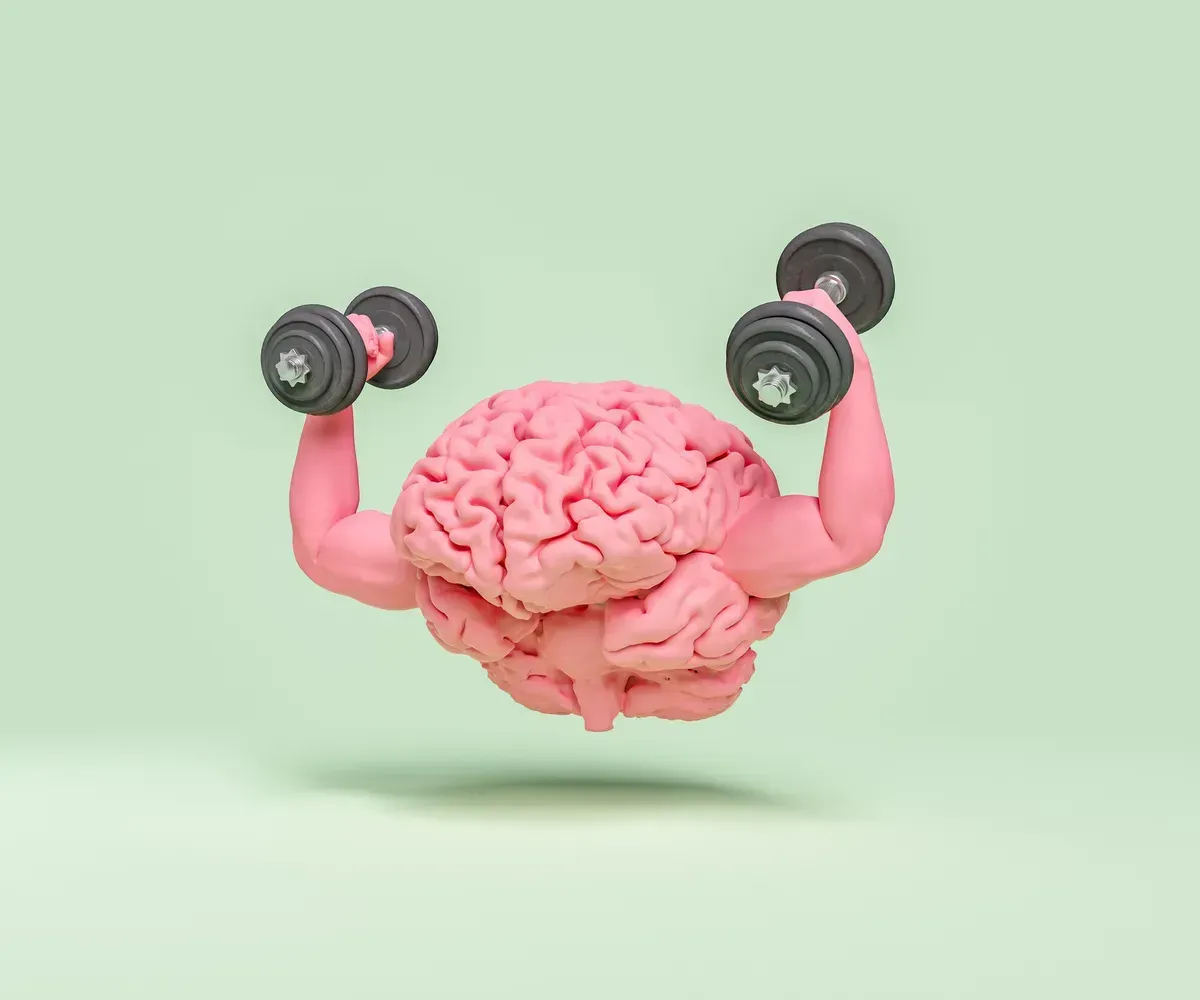
Before being a muscular attribute, strength is first a capacity stemming from the central nervous system (CNS). The brain, the true conductor, triggers contraction through an electrical signal transmitted via the alpha motoneurons. Understanding this mechanism and measuring its efficiency are the pillars of athletic progression (Duchateau & Enoka, 2011).
1. Strength: A Neural Drive Phenomenon
Muscle contraction does not originate in the muscle but in the motor cortex. When a motor command is issued, it travels down the spinal cord to the motoneuron, which innervates a bundle of fibers.
- Frequency Coding: The force produced depends on the discharge frequency of the action potentials.
- Synchronization of Motor Units (MU): Training allows the brain to learn to recruit multiple MUs simultaneously for a burst of maximum force (Sale, 1988).
- Psychological Aspect: Motivation and alertness increase motoneuron excitability, reducing the protective inhibition of the CNS.
2. The Importance of Neuromuscular "Breaking-in"
In a beginner, the initial strength gains are not due to hypertrophy (tissue growth), but to increased neural plasticity. During this breaking-in phase:
- The CNS optimizes the recruitment of existing fibers.
- Intermuscular coordination is refined (better inhibition of antagonist muscles).
- The brain "learns" the technical movement, making signal transmission more fluid.
3. Motor Units and Strength Deficit
Each Motor Unit follows Henneman's "Size Principle": small MUs (slow fibers) are recruited first, followed by large MUs (type II fast fibers) during intense efforts (Henneman, 1957).
The Strength Deficit: A Physiological Safeguard
Humans can never mobilize 100% of their theoretical strength. This strength deficit (difference between maximal voluntary force and force induced by electrical stimulation) is a protective strategy to avoid tendon ruptures or fatigue fractures (Gandevia, 2001). Strength training aims precisely to reduce this deficit by increasing neural drive.
4. Dynamometry: A Marker of Systemic Vitality
Grip strength (Handgrip Strength) is much more than a local measurement. It is a robust indicator of overall strength, total muscle mass, and a reliable predictor of longevity (Roberts et al., 2011).
- Evaluation of the CNS: A sudden drop in grip strength without local injury is often the first sign of central nervous fatigue (CNS) or overtraining.
- Metabolic Health: It is inversely correlated with the risk of cardiovascular disease and cognitive decline (Bohannon, 2015).
5. The InGrip by InBody: Precision Dynamometry
The InGrip by InBody allows to objectify these neuromuscular data with medical precision. Unlike a simple sensation test, it allows to:
- Precisely quantify the voluntary strength deficit.
- Compare left/right symmetry to detect neurological or structural imbalances.
- Plan maximal strength cycles by ensuring the CNS is ready to withstand high intensities.
Conclusion: The Science Behind the Grip
Strength results from a complex interaction between the nervous system and muscle fibers. By regularly measuring your grip strength with the InGrip by InBody, you are not just testing your hands, you are testing the integrity of your nervous system. This is the ultimate tool to move from instinctive training to high-performance scientific programming.
About the Author
Share this article with your friends and community