

Understanding the importance of nitric oxide for athletic performance
Are you ready to improve your physical performance and maximize your athletic efficiency? Discover the secret of top athletes: nitric oxide (NO) supplements. By promoting vasodilation and increasing blood flow, **NO** supplements can help boost enduran...
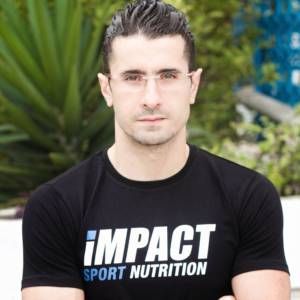 By Marouan Ariane
Are you ready to improve your physical performance and maximize your athletic efficiency? Discover the secret of top-level athletes: nitric oxide, also known as NO (Moncada & Higgs, 1991).
What is Nitric Oxide (NO)?
Nitric oxide (NO) is a gaseous signaling molecule, composed of one nitrogen atom and one oxygen atom. Despite its elementary structure, NO plays a pleiotropic role in the body. As a vasodilator, it induces the relaxation of vascular smooth muscle cells, thereby improving tissue perfusion. This action is essential for optimal oxygenation and increased delivery of energy substrates to the skeletal muscles (Ignarro et al., 1987).
How Does Nitric Oxide Improve Physical Performance?
- Optimization of Hemodynamics: NO increases muscle blood flow, ensuring efficient delivery of glucose and amino acids while promoting lactate efflux (Bescos et al., 2012).
- Reduction of Oxygen Cost: NO improves mitochondrial efficiency, allowing for more energy (ATP) production per unit of oxygen consumed, which delays the time to exhaustion (Larsen et al., 2011).
- Regulation of Muscle Contraction: NO influences calcium release in the sarcoplasmic reticulum, modulating the contractile force during high-intensity efforts.
How to Naturally Increase Your NO Levels?
The body has two major pathways to produce NO. Here's how to optimize them through supplementation and diet:
- L-Arginine (NOS-dependent Pathway): Direct precursor of NO via the Nitric Oxide Synthase (NOS) enzyme. Although effective, it undergoes extensive first-pass hepatic metabolism by arginase (Böger, 2004).
- L-Citrulline (The Preferred Precursor): More effective than arginine in saturating the plasma arginine pool, citrulline bypasses hepatic degradation and is converted to arginine directly in the kidneys. It significantly reduces muscle soreness and improves training volume (Schwedhelm et al., 2008).
- Dietary Nitrates (Nitrate-Nitrite-NO Pathway): Present in beets and spinach, nitrates are converted to NO non-enzymatically, particularly effective under conditions of muscle hypoxia (intense exercise) (Jones, 2014).
- Polyphenols and Grape Seed Extract: Active ingredients like Vinitrox™ stimulate eNOS (endothelial NOS) activity, increasing endogenous NO production in synergy with amino acids (Appeldoorn et al., 2009).
- Quercetin: This flavonoid helps maintain NO bioavailability by neutralizing free radicals that would otherwise prematurely degrade the NO molecule (Larson et al., 2012).
Conclusion
Nitric oxide is a pivotal molecule for performance. By improving endurance, energy efficiency, and recovery, it has become a cornerstone of modern sports nutrition. For optimal results, prioritize formulas combining citrulline (enzymatic pathway) and nitrates (non-enzymatic pathway).
- Moncada & Higgs (1991) - The L-arginine-nitric oxide pathway.
- Bescos et al. (2012) - The involvement of nitric oxide in exercise: a review.
- Schwedhelm et al. (2008) - Pharmacokinetic and pharmacodynamic properties of oral L-citrulline and L-arginine.
- Jones (2014) - Dietary nitrate supplementation and exercise performance.
- Larson et al. (2012) - Quercetin, inflammation and nitric oxide.
About the Author
Share this article with your friends and community