

Hydrolyzed Collagen: Benefits, Dosage, Studies and Absorption
Hydrolyzed collagen is now one of the most popular dietary supplements for preserving the health of joints, skin, bones and...
 By Marouan Ariane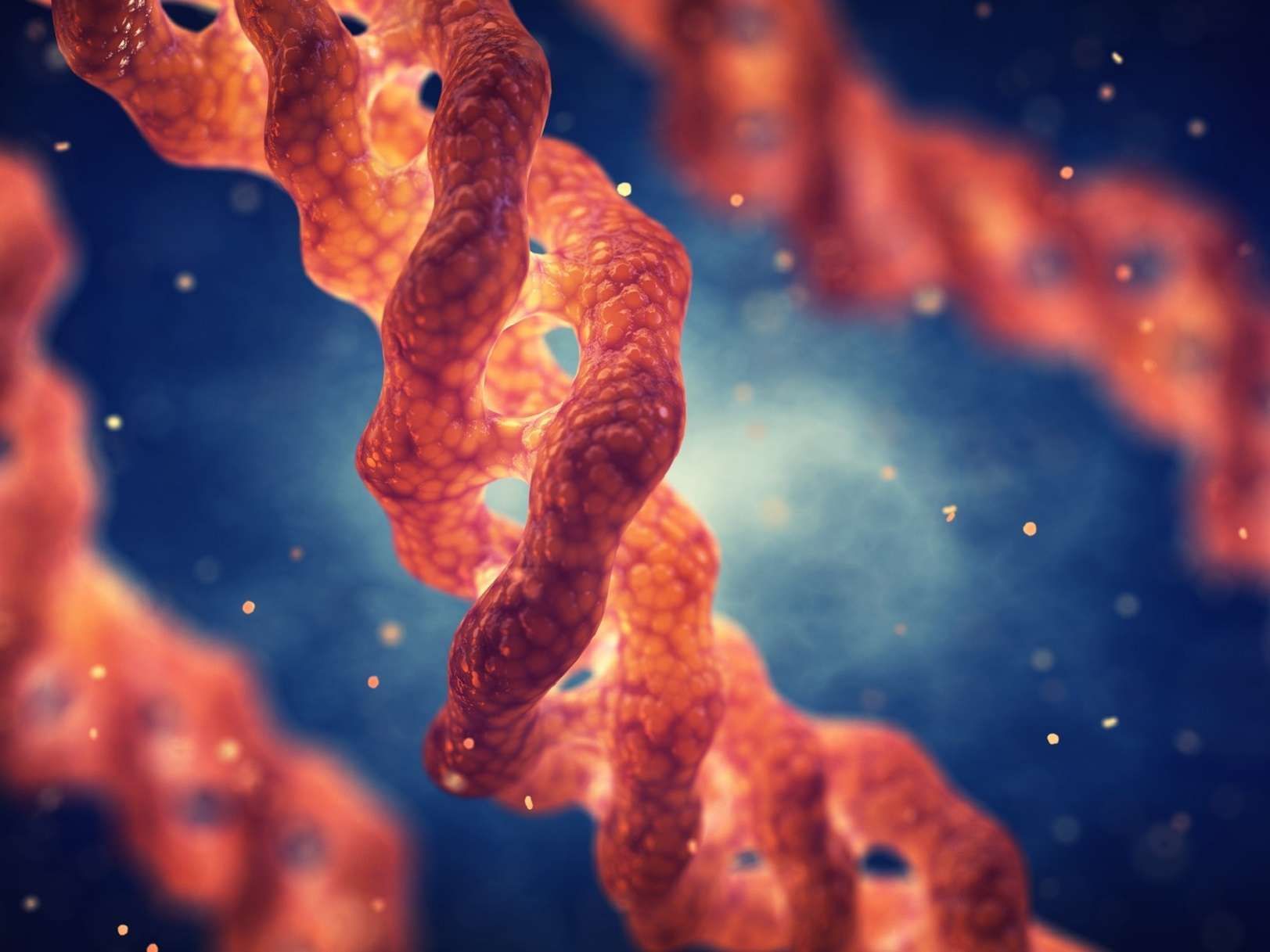
Collagen is today one of the most popular supplements for structural health. However, its effectiveness depends on a critical variable: its bioavailability. This article explores the superiority of hydrolyzed peptides over native forms and the dosage protocols validated by science (Paul et al., 2019).
1. What is Collagen? The Matrix of Life
Collagen is the most abundant protein in the human body (~30% of the total protein pool). It constitutes the extracellular matrix (ECM) that gives tissues their mechanical resistance and elasticity.
A Triple Helix Structure
Its strength comes from a unique architecture: three polypeptide chains twisted into an ultra-resistant triple helix. The main types are:
- Type I: Skin, tendons, bones (90% of body collagen).
- Type II: Joint cartilage.
- Type III: Blood vessels and muscles.
From age 25, endogenous synthesis declines by 1% to 1.5% per year, a phenomenon exacerbated by oxidative stress and UV exposure (Varani et al., 2006).
2. Dietary vs Hydrolyzed Collagen: The Digestive Barrier
"Native" collagen (bone broth, non-hydrolyzed gelatin) has too high a molecular weight (~300,000 Daltons) to be absorbed as is. The digestive system struggles to break down this insoluble fibrous structure, rendering its bioavailability virtually nil.
The Enzymatic Hydrolysis Revolution
Hydrolyzed collagen (collagen peptides) undergoes controlled enzymatic fragmentation. This yields low-molecular-weight peptides (2,000 to 5,000 Daltons).
- Absorption: Up to 90% of the peptides cross the intestinal barrier as small peptides (di- and tri-peptides) resistant to peptidases (Oesser et al., 1999).
- Dual Action: These peptides act not only as substrates, but also as ligands stimulating fibroblast and chondrocyte receptors to reactivate collagen neo-synthesis (Figueres & Cortés, 2015).
3. Amino Acid Profile: A Unique Biochemical Signature
Collagen has an atypical amino acid profile, essential for maintaining connective tissue:
- Glycine (~25%): The smallest amino acid, crucial for the tight packing of the triple helix.
- Proline & Hydroxyproline (~25%): Hydroxyproline is a specific marker of collagen. In the form of the Pro-Hyp peptide, it directly stimulates tissue cell growth (Shigemura et al., 2014).
4. Summary of Clinical Evidence and Protocols
Science validates dose-dependent benefits. Here are the current consensus based on the most robust meta-analyses:
| Application | Daily Dosage | Onset of Action | Key Reference |
|---|---|---|---|
| Joint Health | 10 g | 12 to 24 weeks | Clark et al. (2008) |
| Dermal Elasticity | 2.5 g to 5 g | 8 weeks | Proksch et al. (2014) |
| Muscle Mass (ECM Support) | 15 g | 12 weeks | Zdzieblik et al. (2015) |
| Exercise-Induced Discomfort | 5 g to 10 g | 12 weeks | Khatri et al. (2021) |
5. Bovine or Marine Origin: Myths and Realities
The debate between bovine (Type I & III) and marine (Type I) sources is mainly qualitative. From a metabolic standpoint, once hydrolyzed into peptides, the origin matters less than the molecular weight (Daltons).
- Marine: Often has a lower molecular weight, facilitating intestinal absorption.
- Bovine: Excellent source for supporting musculoskeletal tissues (Wang, 2019).
Conclusion: A Structural Longevity Tool
Hydrolyzed collagen is an extracellular matrix modulator. To optimize its effects, it is imperative to maintain an adequate status in Vitamin C, an indispensable cofactor for prolyl-hydroxylase and lysyl-hydroxylase enzymes during endogenous collagen synthesis. Without it, the triple helix structure cannot be stabilized.
About the Author
Share this article with your friends and community