

Mapping of Protein Sources: Analysis of Biological Value and Bioavailability
Proteins are present in a wide range of foods in highly variable concentrations. They can be found in plants (cereals, legumes, ...), animal products (meat, eggs, dairy products, ...), and even in certain fungi. Protein is an essential macronutrient fo...
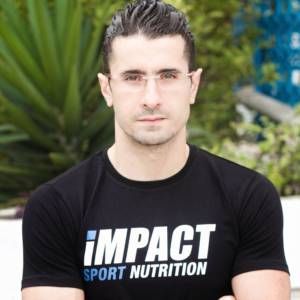 By Marouan Ariane
The choice of a protein source should not be limited to its raw content. For the elite athlete, the effectiveness relies on the interaction between the amino acid profile (amino gram), the rate of assimilation, and the associated micronutrient density (Phillips, 2014).
1. Animal-Based Proteins: The Anabolic Reference Standard
Animal sources are characterized by a high density of essential amino acids (EAA) and excellent bioavailability, often exceeding the DIAAS reference scores (FAO/WHO, 2013).
A. Meats, Poultry and Seafood
- Protein Density: 18% to 30% depending on the cut. Lean cuts maximize the protein/calorie ratio.
- Biochemical Profile: Major source of creatine, heme iron, and vitamin B12. The presence of zinc and selenium supports enzymatic and hormonal function.
- Digestibility: Excellent (~95%), with a direct impact on the postprandial leucine peak (Morton et al., 2018).
B. Egg: The Reference Protein (VB 100)
Whole egg induces a superior anabolic response compared to egg whites alone, at equal protein content. The yolk contains nutrients acting synergistically with amino acids (Van Vliet et al., 2017):
- Phospholipids and Micro-RNA: Play a role in cell signaling and recovery.
- Cholesterol: Precursor of steroid hormones. In athletes, dietary cholesterol is not correlated with cardiovascular risk but supports membrane regeneration.
C. Dairy Fractions: Casein and Whey
- Casein (Slow): Its gastric coagulation allows a prolonged release of amino acids, ideal for preventing nocturnal catabolism (Res et al., 2012).
- Whey (Fast): Its exceptional richness in Leucine (~10-12%) allows rapidly reaching the "leucine threshold" necessary to trigger protein synthesis via the mTOR pathway (Tang et al., 2009).
2. Plant-Based Proteins: Nutritional Density and Fiber
While plants often have incomplete amino acid profiles (limiting amino acids), their use is relevant for metabolic health and the microbiome.
A. Cereals vs. Legumes: The Complementarity
- The Synergy Concept: By combining cereals (poor in lysine) and legumes (poor in methionine), we obtain a complete amino acid profile close to animal standards.
- Bioavailability: The presence of anti-nutritional factors (phytates, tannins) can slightly reduce nitrogen absorption (Berrazaga et al., 2019).
B. Soy: The Plant-Based Exception
Soy isolate is one of the few plant sources with a digestibility score (PDCAAS) of 1.0, although its assimilation kinetics favor splanchnic (organ) protein synthesis over muscle compared to whey (Gorissen et al., 2016).
Comparative Synthesis of Quality Indices
| Food Source | Biological Value (BV) | Digestibility (CUD) | Absorption Rate |
|---|---|---|---|
| Whey Isolate | 104 | ~99% | Ultra-Fast |
| Whole Egg | 100 | ~97% | Moderate |
| Red Meat / Fish | 80 | ~95% | Slow to Moderate |
| Soy (Isolate) | 74 | ~90% | Fast |
| Legumes | ~50 - 60 | 75 - 85% | Slow |
Conclusion: The Protein Blend Strategy
To maximize anabolism and metabolic health, alternation is the key. Use Whey post-workout for its mTOR trigger, eggs and meats for their nutritional density, and plants for their fiber and phytonutrient content (Jäger et al., 2017 - ISSN Position Stand). A high-performance diet combines the animal bioavailability and the plant micronutrient richness.
- Phillips (2014) - A brief review of critical processes in exercising human skeletal muscle.
- Van Vliet et al. (2017) - Consumption of whole eggs promotes greater stimulation of postexercise muscle protein synthesis than egg whites.
- Tang et al. (2009) - Ingestion of whey hydrolysate, casein, or soy protein isolate: effects on mixed muscle protein synthesis.
- Gorissen et al. (2016) - Protein content and amino acid composition of commercially available plant-based protein isolates.
- Jäger et al. (2017) - International Society of Sports Nutrition Position Stand: protein and exercise.
About the Author
Share this article with your friends and community